I’m excited to share news that the Awards to Scholarly Publications Program of the Federation for the Humanities and Social Sciences will provide a $30,000 Translation Grant to les Presses de l’Université Laval for the French translation and publication of my first book “The Laws and the Land: The Settler Colonial Invasion of Kahnawà:ke in Nineteenth-Century Canada.” I’m thrilled to be working with les Presses de l’Université Laval on this project, and look forward to getting the book into the hands of francophone readers!
Author Archives: Daniel Rueck
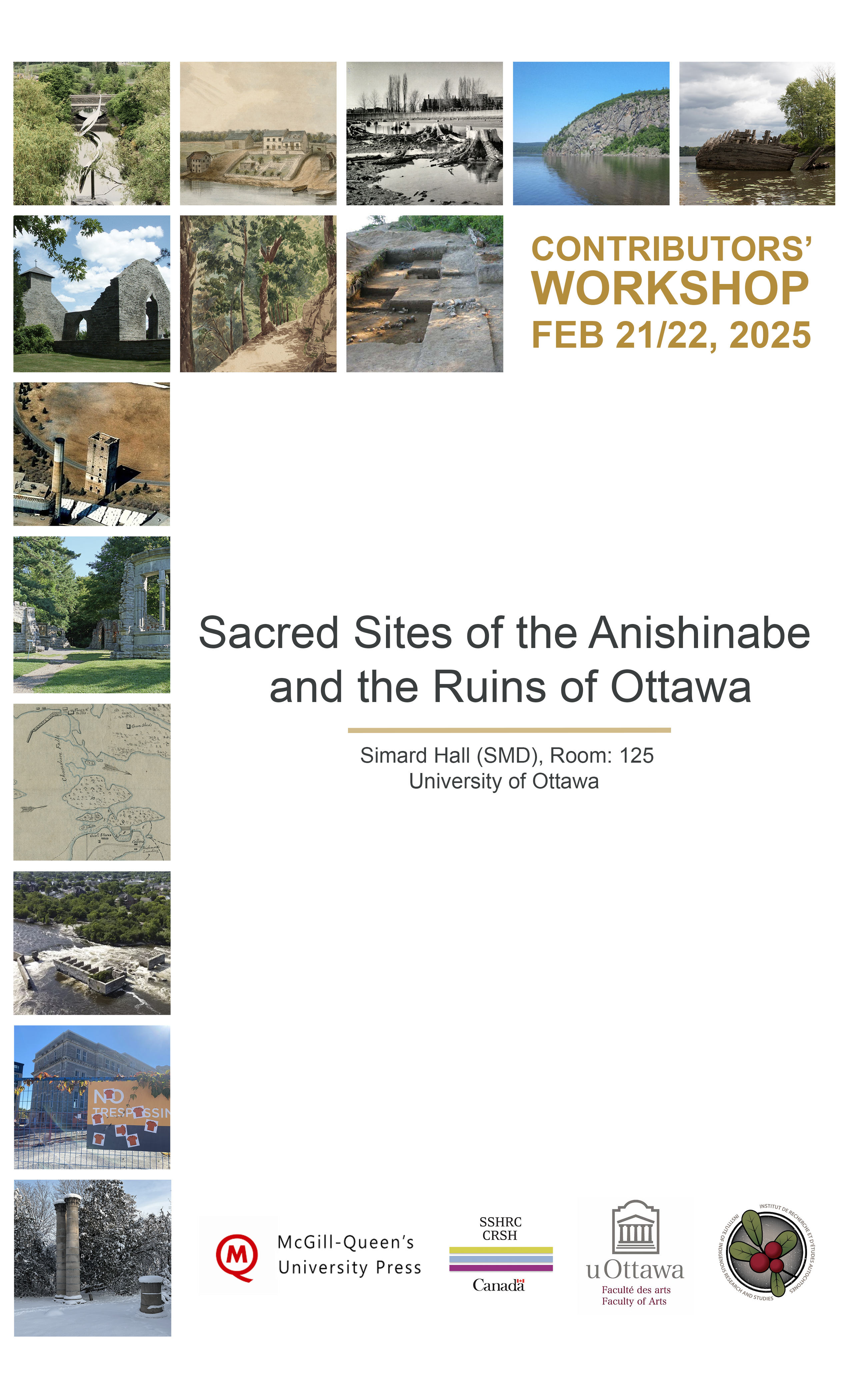
Contributors’ Workshop – Sacred Sites of the Anishinabe and the Ruins of Ottawa, University of Ottawa, February 21-22, 2025

On February 21-22, 2025 the Faculty of Arts and the Institute of Indigenous Research and Studies hosted a Contributors’ Workshop for the forthcoming publication “Sacred Sites of the Anishinabe and the Ruins of Ottawa” (under contract with McGill-Queen’s University Press), co-edited by Daniel Rück and Mike Steinhauer. This event, funded by the Faculty of Arts and a SSHRC Connection Grant, brought together a group of talented authors including scholars, elders, students, artists, and community members, for a rich discussion of new book chapters on sacred sites of the Algonquin Anishinabe and settler ruins in the Ottawa-Gatineau area.
New Website: Histoire antiraciste | uOttawa | Antiracist History
I am co-founder and co-organizer of a community of historians at the University of Ottawa who oppose racism and stand in solidarity with racialized students, staff, and faculty. Part of our work so far has been to build a website providing antiracist historical and pedagogical resources, and we continue to add resources. It also includes our antiracist statement titled La pensée historique face au racisme contemporain | Thinking Historically to Confront Racism Today
As part of a smaller working group of the Antiracist History Group, we received funding from the uOttawa Faculty of Arts in 2021 for a project entitled “Building Belonging through Antiracist Pedagogy: Workshop Collaboration for Knowledge Mobilisation and Advancement” which is organizing antiracist pedagogy workshops in French and English beginning in August and September 2021.
The Active History article titled Racial Incidents” are Clothespins Hanging on a Clothesline of Institutional Whiteness by Meredith Terretta, published in French on Histoire Engagée as Les « incidents raciaux » sont des pinces à linge suspendues à une corde à linge de blanchité institutionnelle, gives context for the group and the website.
New publication: The Settler Playbook: Understanding Responses to #ShutDownCanada in Historical Context
Mainstream media observe Tyendinaga land defenders, Feb 16, 2020. Photo by Daniel Rück
WHO CARES ABOUT LEGAL HISTORY ? | QUI SE SOUCIE DE L’HISTOIRE JURIDIQUE ?
I’m presenting a short paper as part of our departmental Legal History Research Cluster event. Feel free to join us!
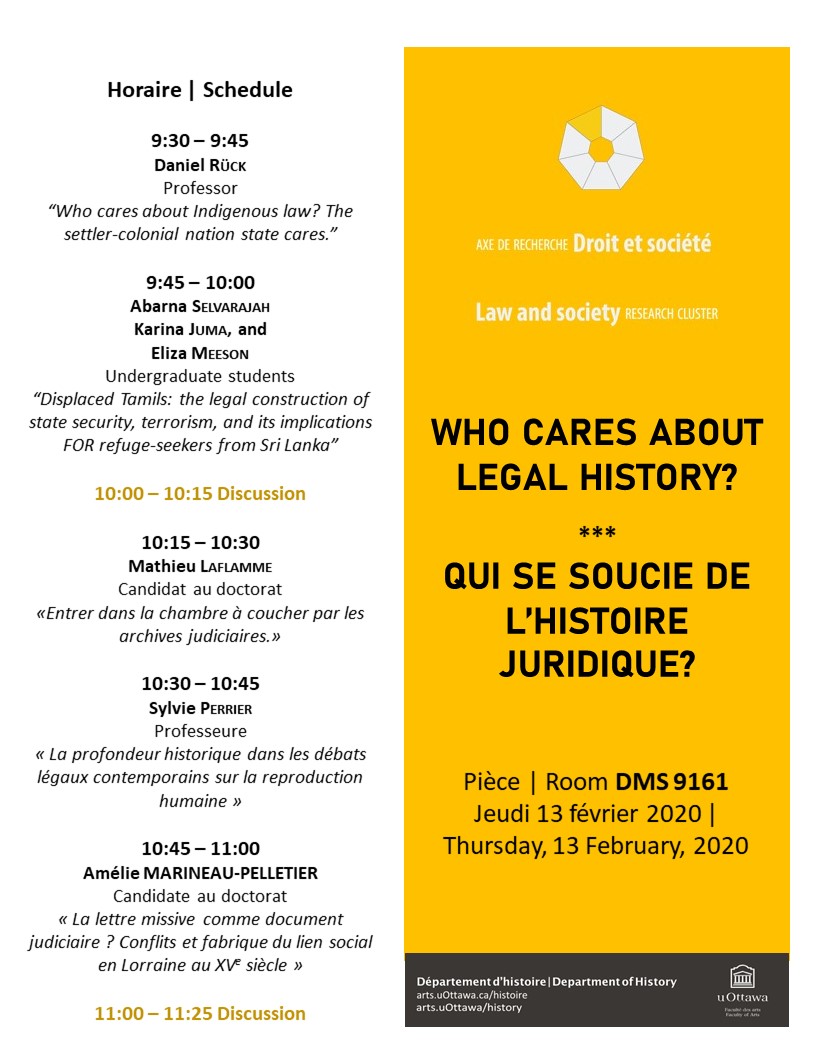
Who cares about legal history ? | Qui se soucie de l’histoire juridique ?
Horaire | Schedule
9:30 – 9:45 Daniel Rück, professor
“Who cares about Indigenous law? The settler-colonial nation state cares.”
9:45 – 10:00 Abarna Selvarajah, Karina Juma, and Eliza Meeson, Undergraduate students
“Displaced Tamils: the legal construction of state security, terrorism, and its implications FOR refuge-seekers from Sri Lanka”
10:00 – 10:15 Discussion
10:15 – 10:30 Mathieu Laflamme, candidat au doctorat
« Entrer dans la chambre à coucher par les archives judiciaires »
10:30 – 10:45 Sylvie Perrier, professeure
« La profondeur historique dans les débats légaux contemporains sur la reproduction humaine »
10:45 – 11:00 Amélie Marineau-Pelletier, candidate au doctorat
« La lettre missive comme document judiciaire ? Conflits et fabrique du lien social en Lorraine au XVe siècle »
11:00 – 11:25 Discussion
Pièce | Room DMS 9161
Jeudi 13 février 2020 | Thursday, 13 February, 2020
Reclaiming Indigenous Place Names
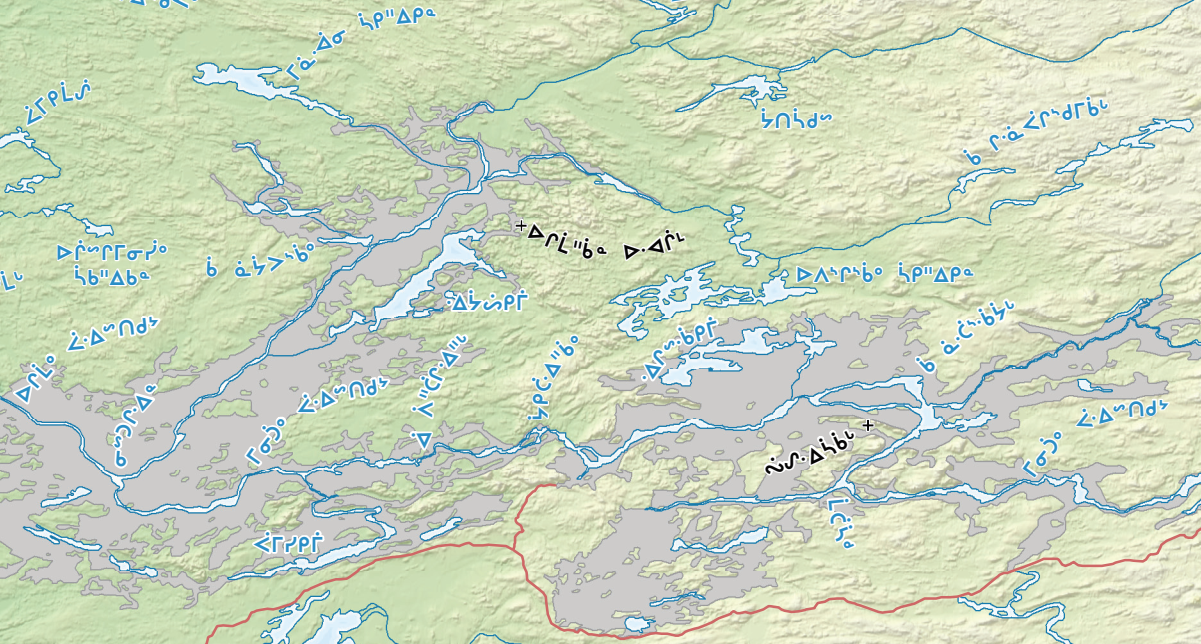
After many decades of settlers installing new place names for Indigenous places, and attempting to erase Indigenous presences, things are starting to turn around. In this policy brief, Christina Gray and I consider the history, some current projects, and give recommendations for how governments can support Indigenous initiatives: Reclaiming Indigenous Place Names
“The Eighth Stage of Genocide”
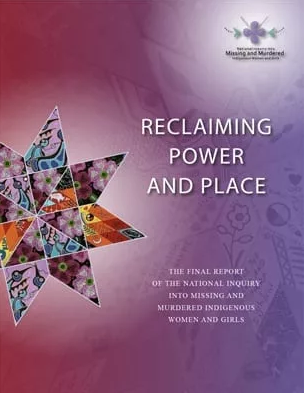
After the National Inquiry into Missing and Murdered Indigenous Women and Girls released its final report, most responses from the mainstream Canadian media involved a rejection of the commission’s deliberate centering of the concept of genocides against Indigenous people. Dr. Valerie Deacon and I wrote a response about patterns in global genocide denial:
“The Eighth Stage of Genocide” Active History, July 4, 2019. (co-written with Valerie Deacon)
Review of “The Clay We Are Made Of” by Susan Hill
Susan Hill’s “The Clay We Are Made Of” is an important new book on the history of land and Indigenous relations with land at Six Nations of the Grand River. Here’s my short online review aimed at an environmental history audience.
A longer review can be found behind a paywall here: Review of the book: Hill, Susan M. The Clay We Are Made Of: Haudenosaunee land tenure on the Grand River. Winnipeg: University of Manitoba Press, 2017. In The Canadian Historical Review, Vol 100, No 1, March 2019, pp. 103-105